Aluminum Formwork Panels

- Standard Panels

xcsacds
ASccsca
d3690a7ef5fd83d2781a4cc316453b8c

Product Features

1.High structural safety with high-strength aluminum alloy, delivering strong load-bearing capacity and excellent resistance to bending and deformation.


2.System-level rigidity achieved through precise panel-to-panel connections, forming a stable and reliable formwork framework.


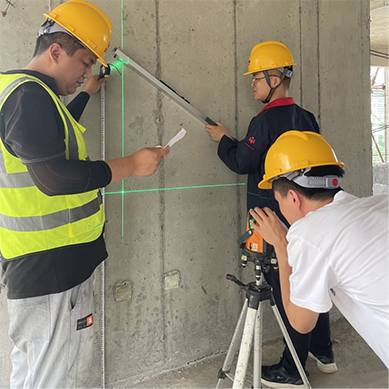
3.Superior forming accuracy with verticality and flatness controlled within ±5 mm for high-quality concrete surfaces.


4.Lightweight panel design reduces manual handling intensity and improves on-site installation safety.


5.High reusability, typically 200–300 cycles, maintaining stable performance throughout repeated concrete pours.

Attribute

  • Large Panel Extrusion

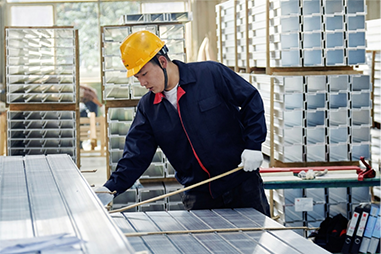
    600 mm wide large panels manufactured by single-pass extrusion using a 7,500-ton extrusion press, ensuring consistent cross-section and high structural integrity.

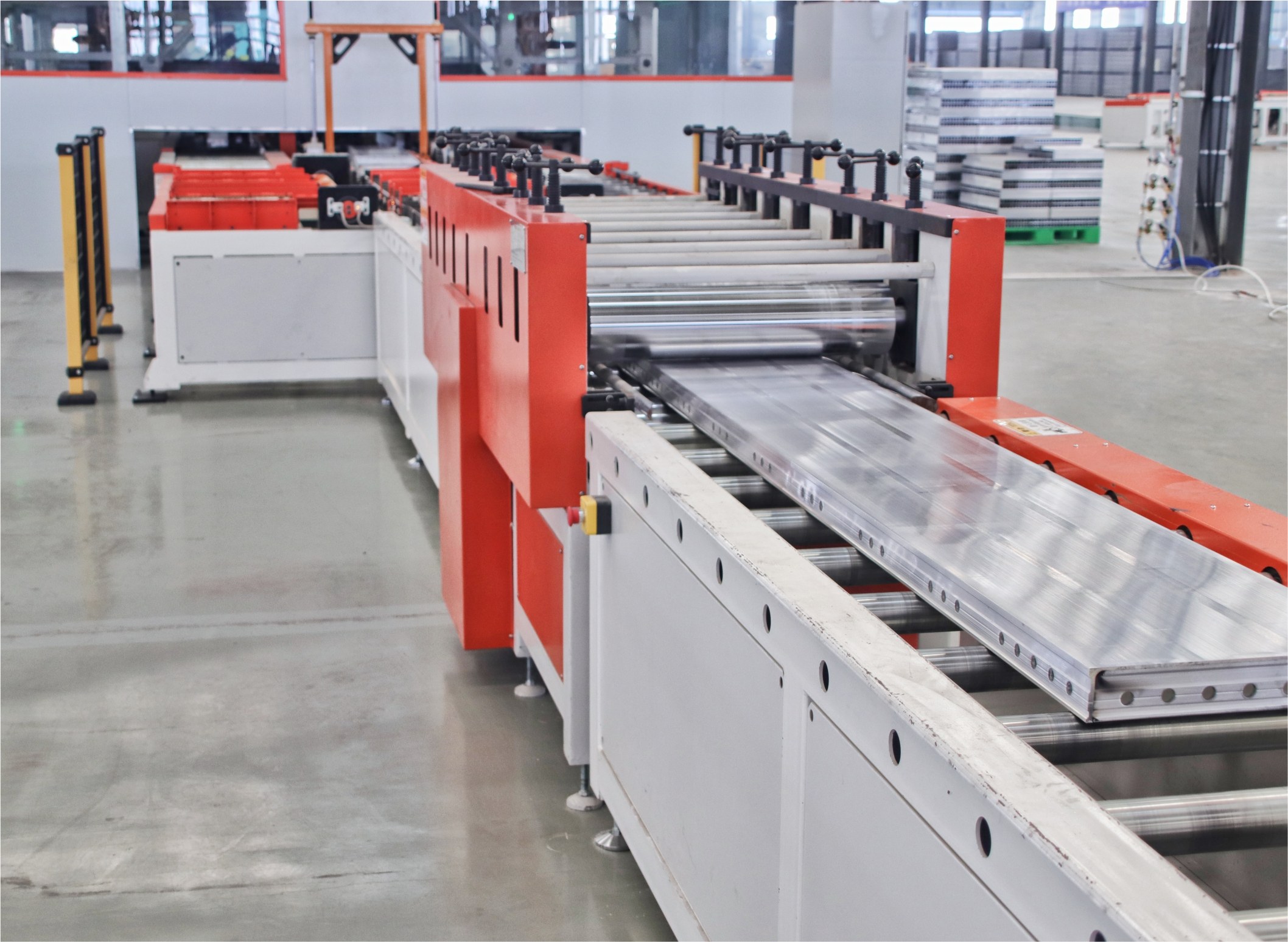
  • Auto Production Line

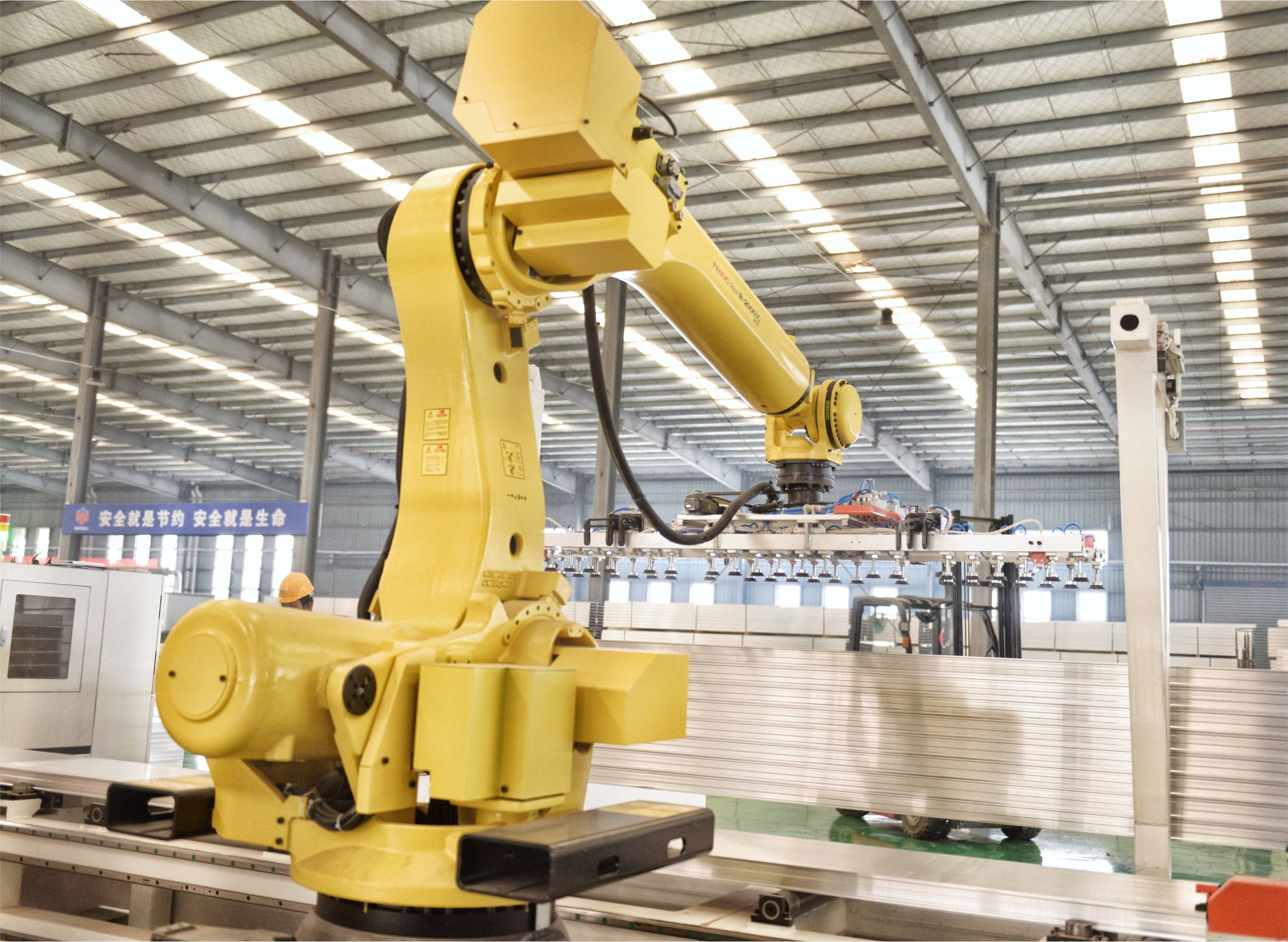
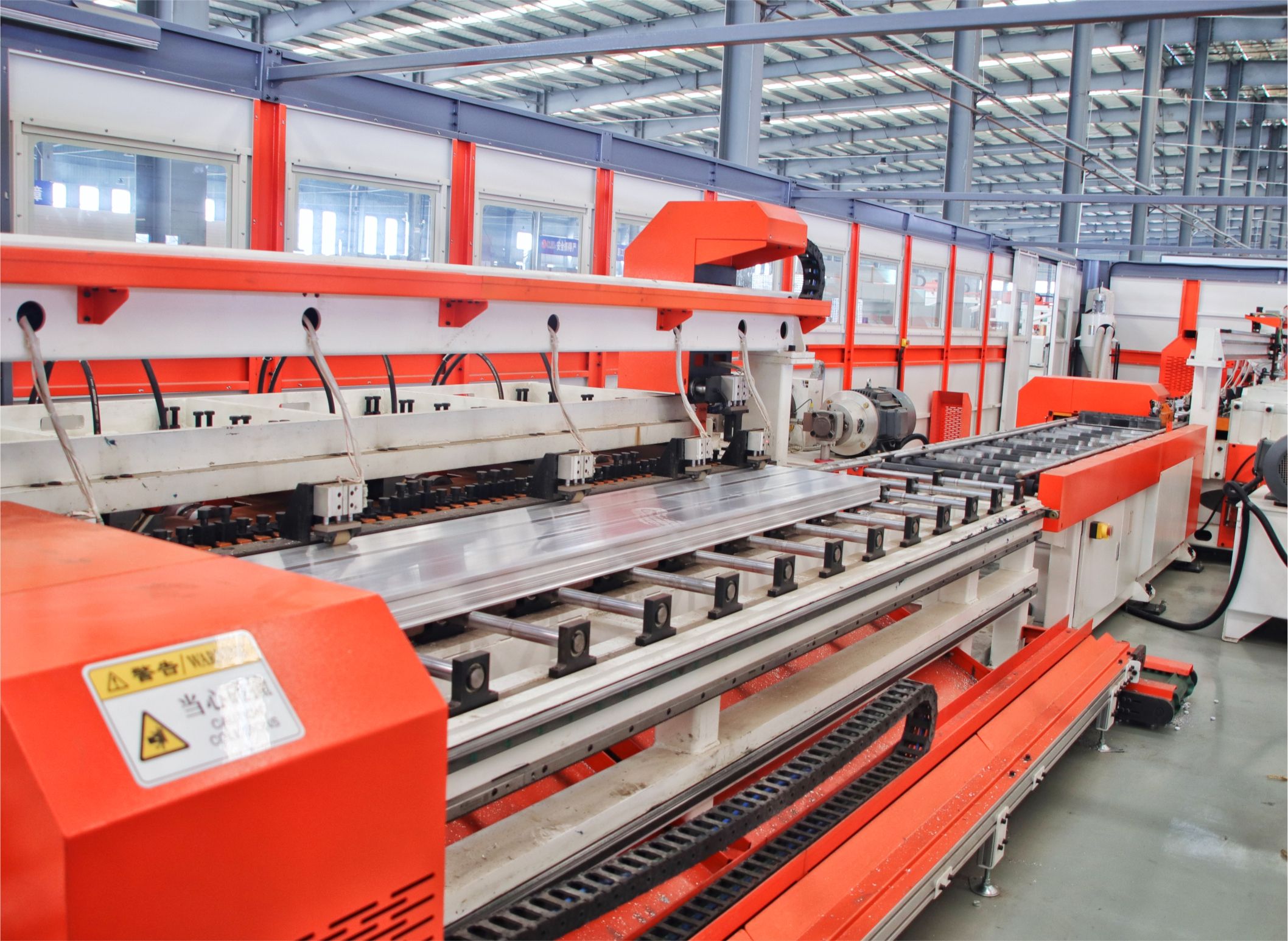
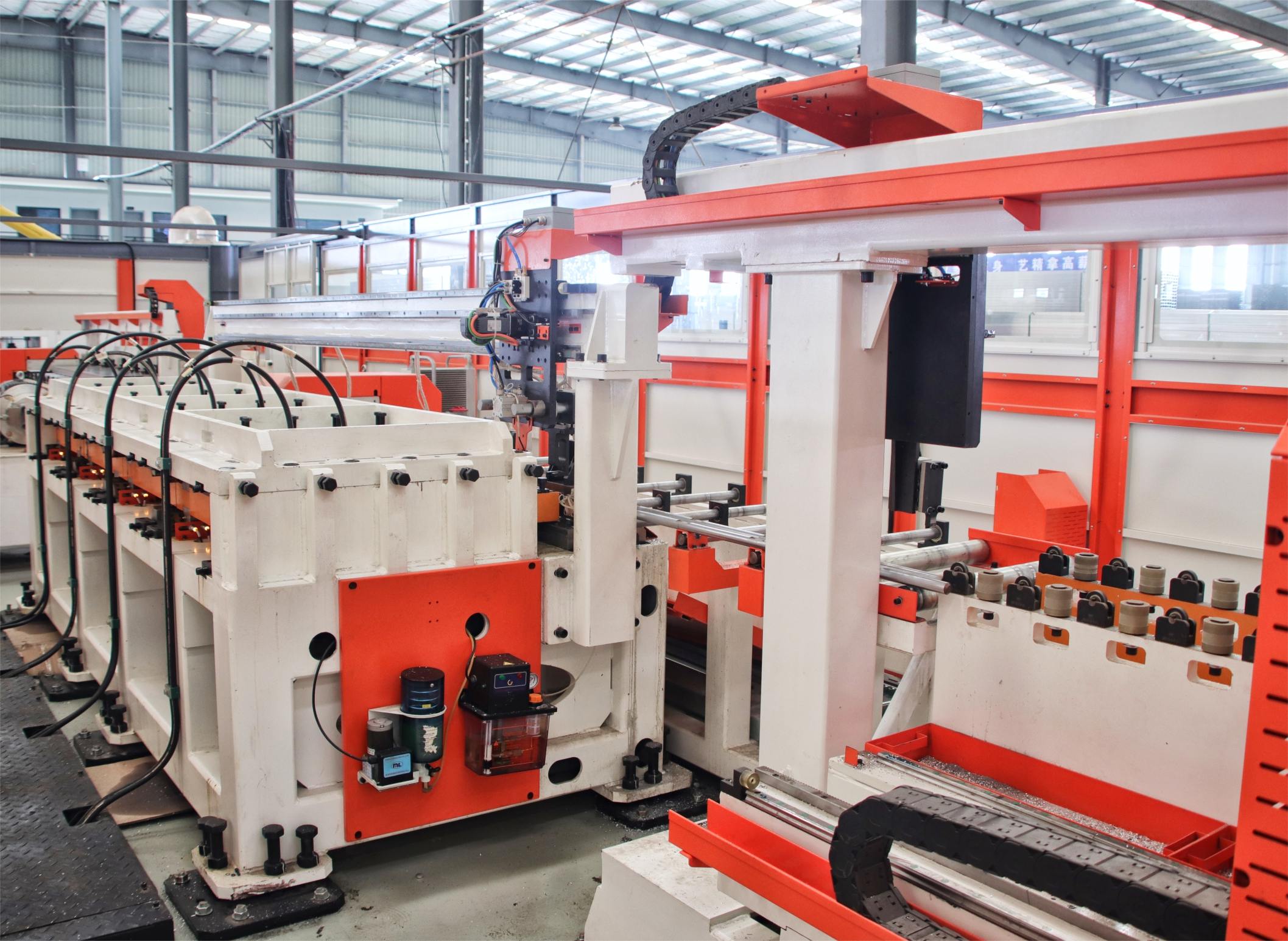
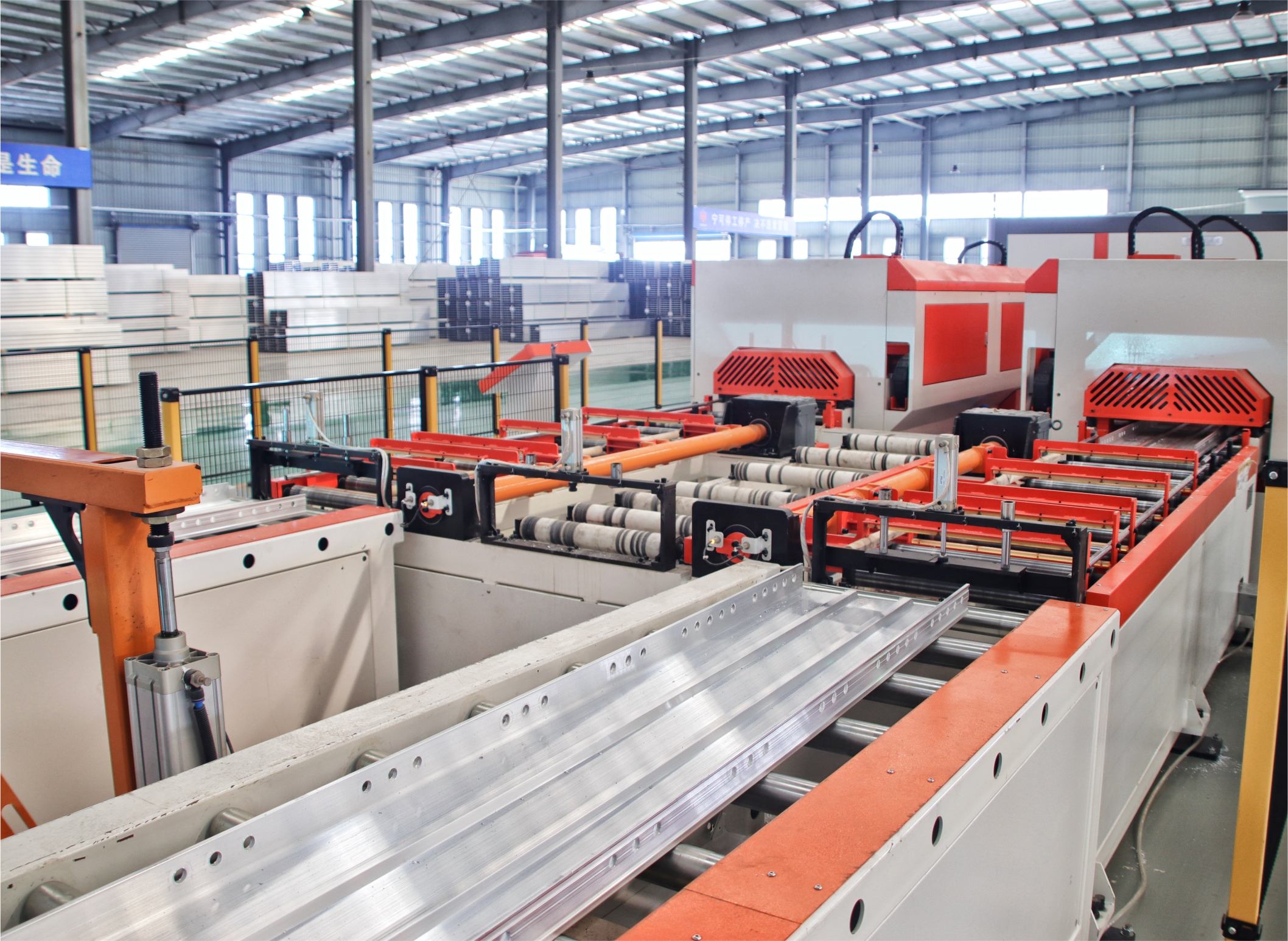
    Fully automated production lines guarantee dimensional accuracy, repeatability, and stable product quality.

  • Standardized Components

    Standardized system components enable fast assembly, dismantling, and high construction efficiency.

  • Low Equipment Use

    Minimal reliance on cranes and heavy equipment reduces site congestion and operating costs.

Product Specifications

Item

Specification

Aluminum Alloy Grade & Temper

6061-T6

Elastic Modulus Ea

70,000 N/mm²

Poisson’s Ratio Va

0.3

Shear Modulus Ga

27,000 N/mm²

Tensile, Compressive & Bending Strength fa

200 N/mm²

Tensile, Compressive & Bending Strength fva

115 N/mm²

Density ρa

2,700 kg/m³

Material Type

Fully Extruded

Frame Height

63.5 / 65 / 90 mm

Frame Thickness

8 mm

Panel Thickness

4 mm

Standard Panel Width

50–600 mm

Standard Panel Height

1,200–2,800 mm

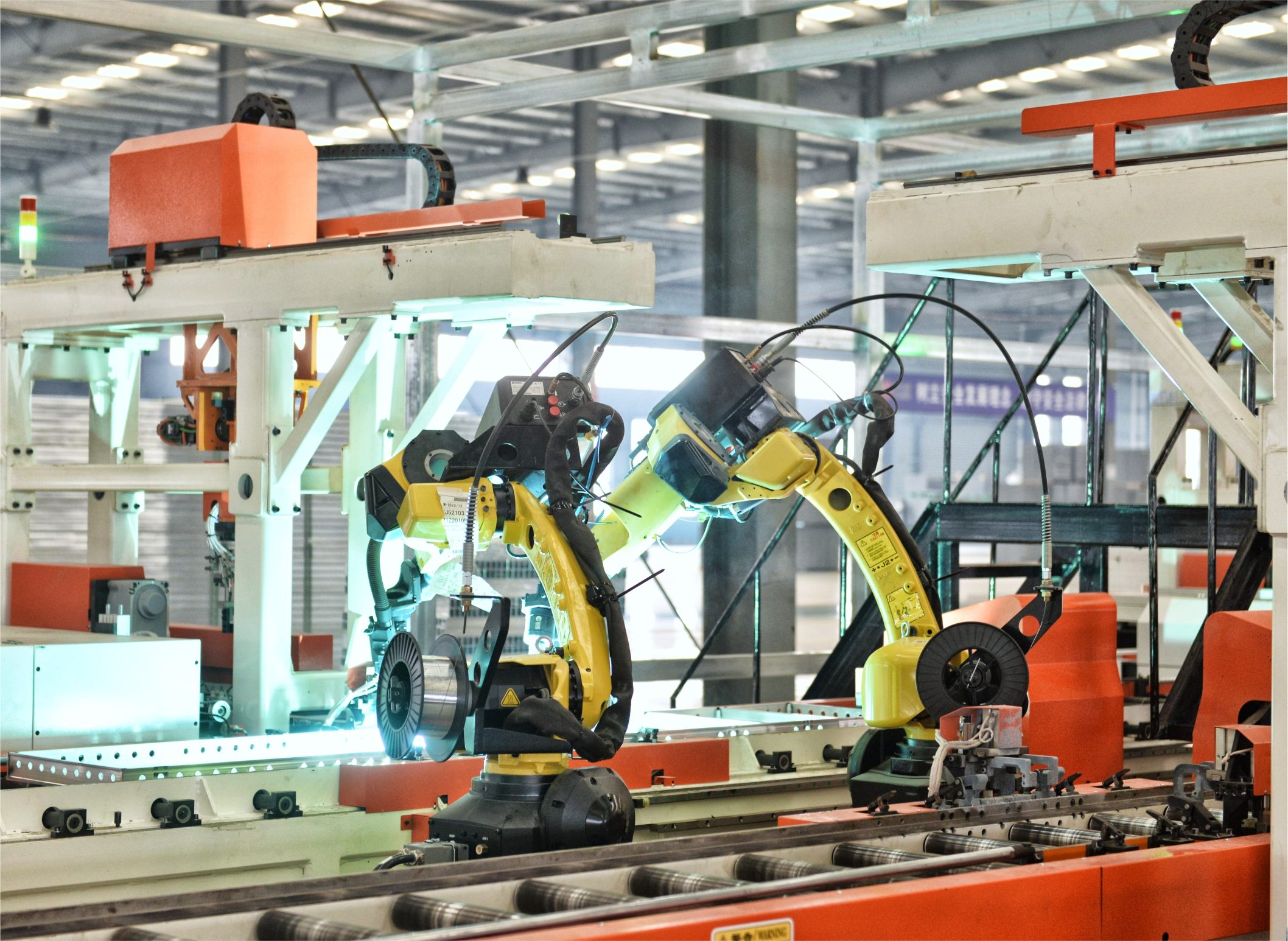
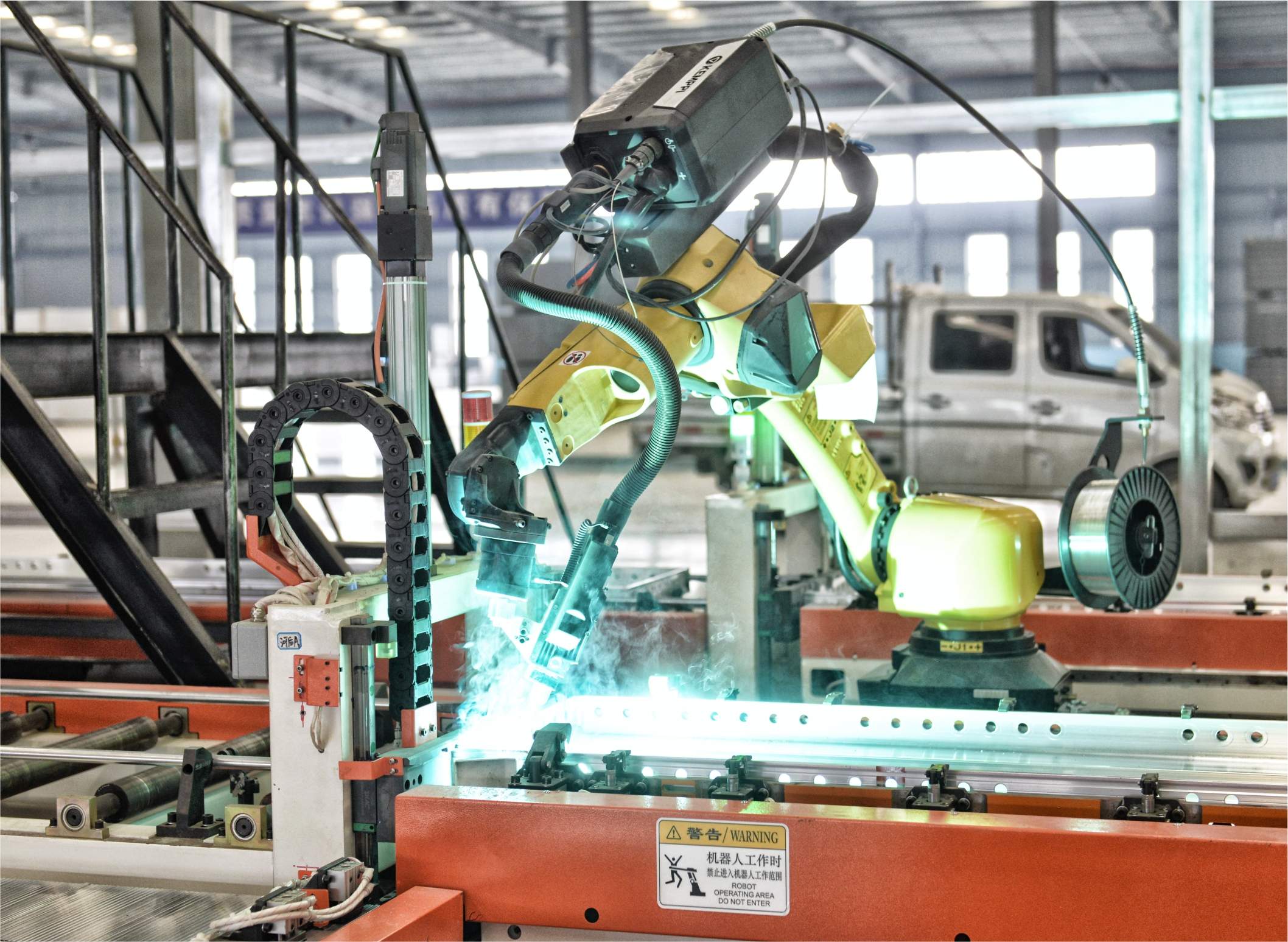
Main Welding Method

Argon Arc Shielded Welding

Weight

25 kg/m²

Detail Display

Aluminum formwork is primarily used for formwork operations in cast-in-place concrete construction, offering high construction safety, superior forming accuracy, and low overall project cost. Its systemized and lightweight design significantly shortens construction cycles, enabling a typical floor to be completed within approximately 3 to 5 days.


As a new-generation formwork system following timber and steel formwork, aluminum formwork is manufactured mainly from high-strength aluminum alloy profiles through precision extrusion, machining, and welding processes. The system is engineered to meet the demands of modern concrete construction, providing high dimensional accuracy, structural stability, and consistent performance. Aluminum formwork can be freely assembled and configured to suit different building geometries and structural layouts, with a high degree of standardization and interchangeability. This results in improved construction efficiency, reduced on-site labor intensity, and reliable quality control across repetitive building cycles.

Product Application

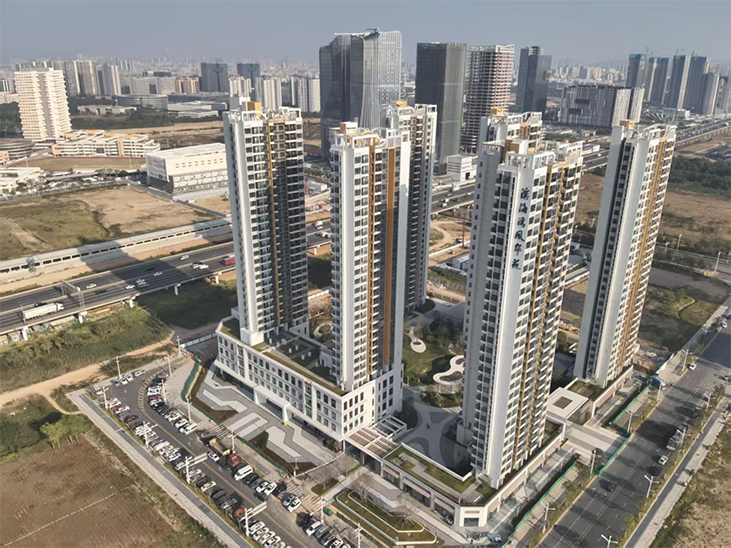
  • High-rise Residential Buildings & Apartments

    exceptional dimensional consistency, and stable structural performance across repetitive layouts. Its systemized design minimizes cumulative errors, reduces rework, and supports high-efficiency vertical construction under tight schedules.

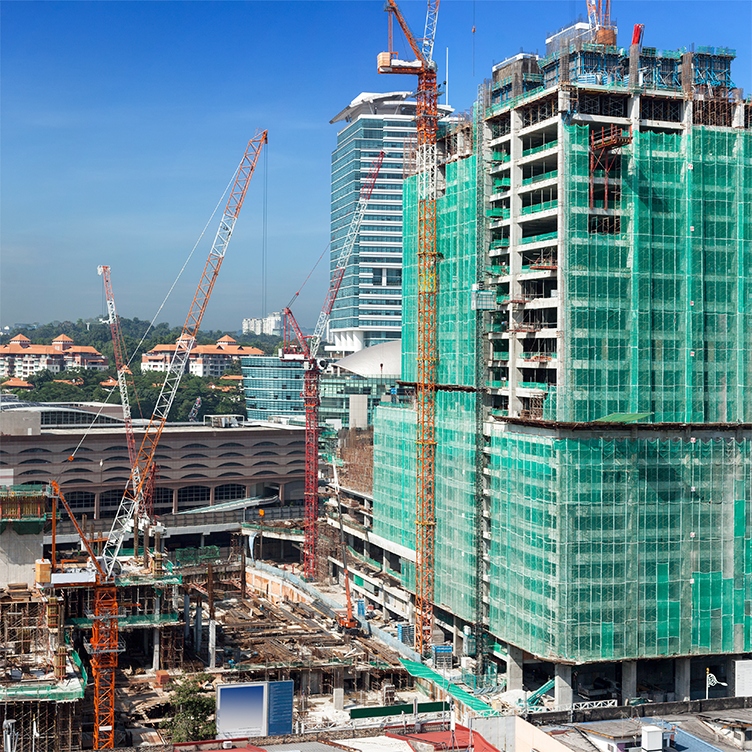
  • Hotel、Office Building

    Aluminum formwork in hotel construction ensures high load-bearing reliability, precise geometry control, and uniform concrete finishes across complex structural zones. The system addresses key hospitality project pain points such as schedule pressure, quality consistency, and architectural tolerance demands in multi-floor commercial buildings.

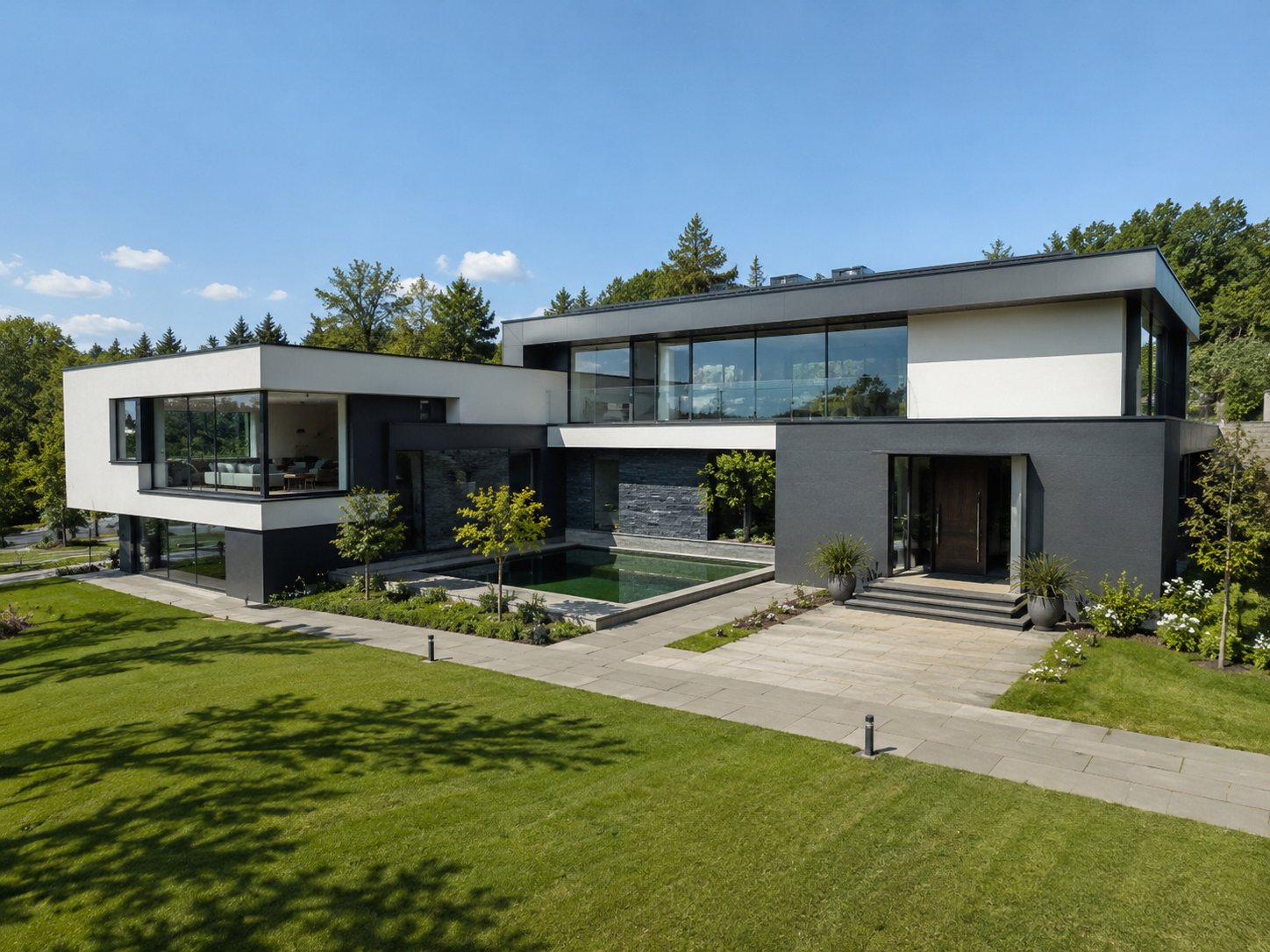
  • Villa

    Aluminum formwork in villa construction enables high-precision wall, slab, and beam casting with clean, architectural-grade concrete surfaces. Its modular flexibility effectively handles irregular layouts and customized designs while maintaining construction efficiency and dimensional accuracy in low-rise residential projects.

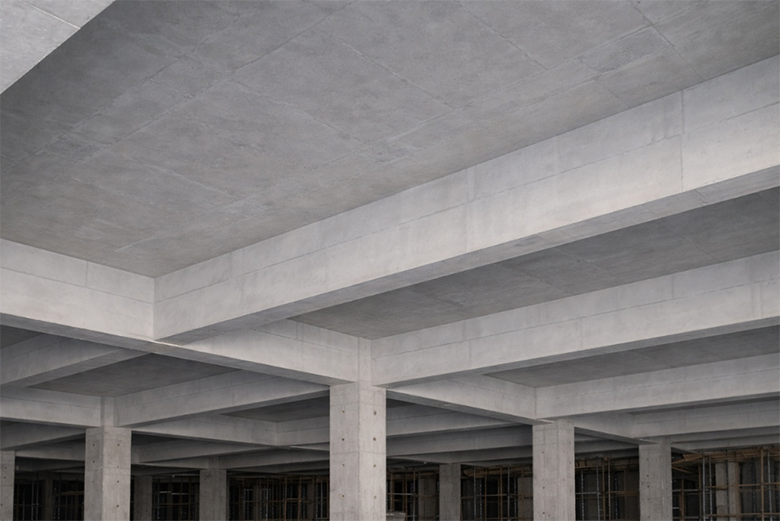
  • Basement

    Aluminum formwork used in basement construction enables precise casting of slabs, beams, and columns with high dimensional accuracy and smooth concrete finishes. The rigid, systemized panels effectively control deformation under high concrete pressure, addressing common basement pain points such as misalignment, surface defects, slow cycle times, and labor-intensive rework in confined underground environments.

Aluminum Formwork Production Process

  • 1

    Robotic Data Reading & Profile Feeding

    Production data is automatically read by robotic systems, and aluminum profiles are accurately identified and fed into the production line.

  • 2

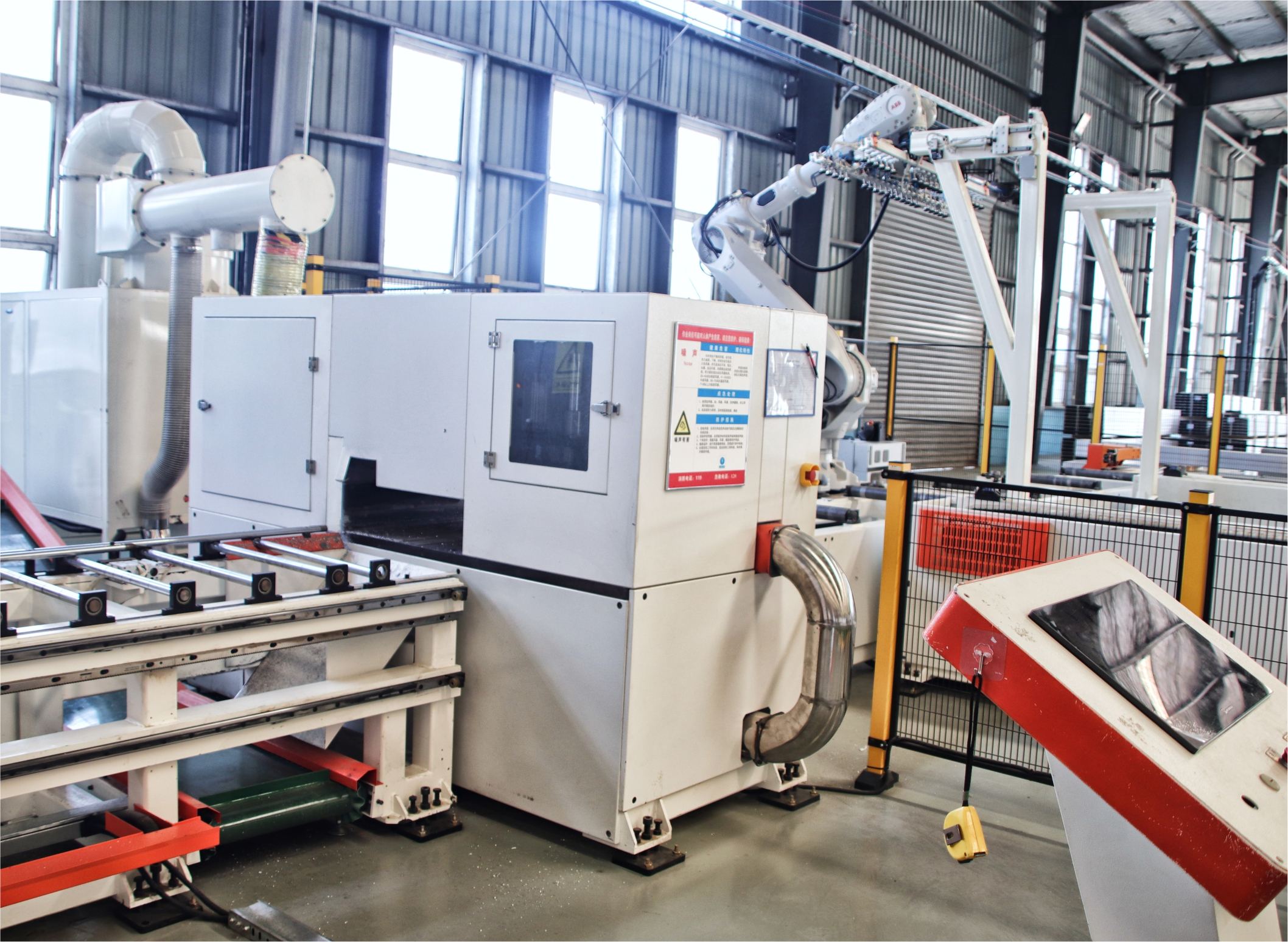
    Cutting

    Key components are positioned and cut to form initial panel structures in accordance with design specifications.

  • 3

    Entry into Automated Production Line

    Aluminum formwork components are transferred into the automated production line for standardized, continuous processing.

  • 4

    Punching

    Precision punching operations are carried out to create tie holes, pin holes, and connection interfaces.

  • 5

    Edge Milling and Deburring

    Panel edges are milled and polished to remove burrs, ensuring dimensional accuracy and safe handling.

  • 6

    Slot Millin

    Grooves and functional slots are machined to meet structural and assembly requirements.

  • 7

    Final Welding

    Structural welding is completed to ensure panel strength, rigidity, and long-term durability.

  • 8

    Shape Correction and Calibratio

    Panels undergo straightening and calibration to correct deformation and ensure flatness, alignment, and tolerance compliance.

Package & Shipping

  • Inspection & Bundling

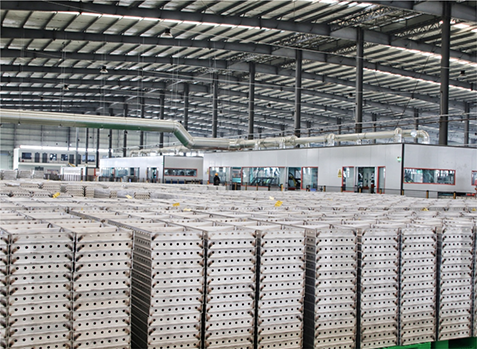
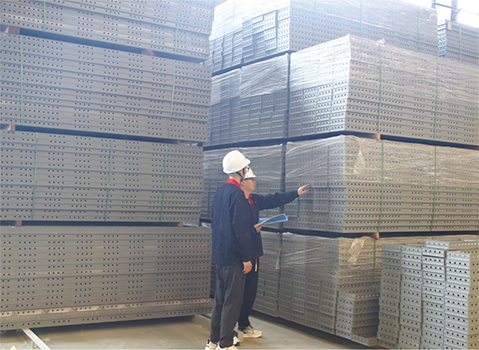
    Finished panels are checked for quantity and condition, then stacked and banded by specification.


  • Protective Packaging

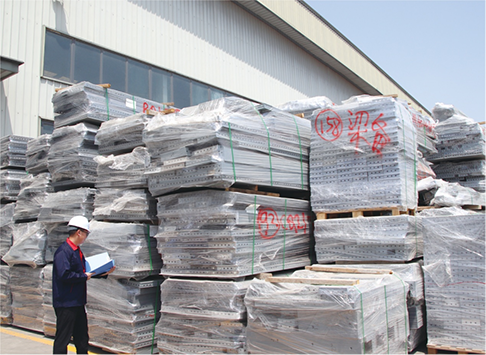
     Panels are palletized, shrink-wrapped, and reinforced to prevent damage, deformation, and moisture exposure during transport.


  • Staging & Dispatch

    Packaged formwork is labeled, staged for loading, and dispatched for container shipment according to delivery schedules.

After-sales Service

  • 1

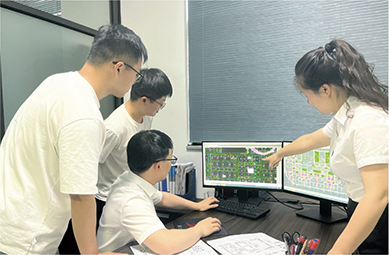
    Technical Documentation & Drawings

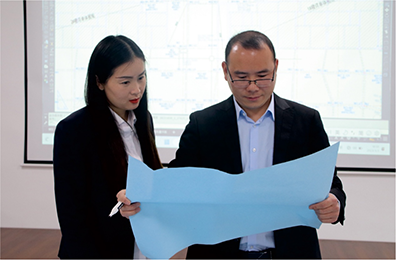
    Complete system drawings, assembly layouts, and installation manuals are provided to ensure accurate on-site execution.

  • 2

    Installation Guidance

    Remote technical support and on-site guidance (when required) for formwork assembly, pouring sequence, and dismantling procedures.

  • 3

    Quality & Performance Support

    Assistance with dimensional checks, tolerance verification, and troubleshooting during initial pours to ensure system performance.

  • 4

    Spare Parts & System Optimization

    Timely supply of replacement panels and accessories, with optimization suggestions based on actual site feedback.

Any questions?
We got you.

This section addresses the most common inquiries to help you find answers quickly. If you don't see your question listed, please feel free to contact us.

  • Our aluminum formwork is manufactured primarily from 6061-T6 aluminum alloy, offering an optimal balance of strength, stiffness, corrosion resistance, and weldability. The material properties ensure stable load-bearing performance under fresh concrete pressure and repeated reuse cycles.

  • The system is designed to withstand high lateral concrete pressure, with load capacity determined by panel thickness, frame height, and support spacing. When installed according to design specifications, the system provides reliable structural rigidity and controlled deflection during concrete pouring.

  • Panel flatness and system verticality are controlled within ±5 mm. Precision extrusion, CNC machining, and controlled welding processes ensure tight tolerances, resulting in smooth concrete finishes suitable for plaster-free construction.

  • With proper installation, handling, and maintenance, aluminum formwork typically achieves 200–300 reuse cycles. Consistent structural performance across cycles results in a low average cost per pour compared to traditional formwork systems.

  • Yes. The system is fully customizable based on project drawings, floor heights, wall layouts, and structural requirements. Modular panel design and standardized connection interfaces allow flexible configuration and seamless integration with various construction sequences and reinforcement layouts.

Product Recommend